


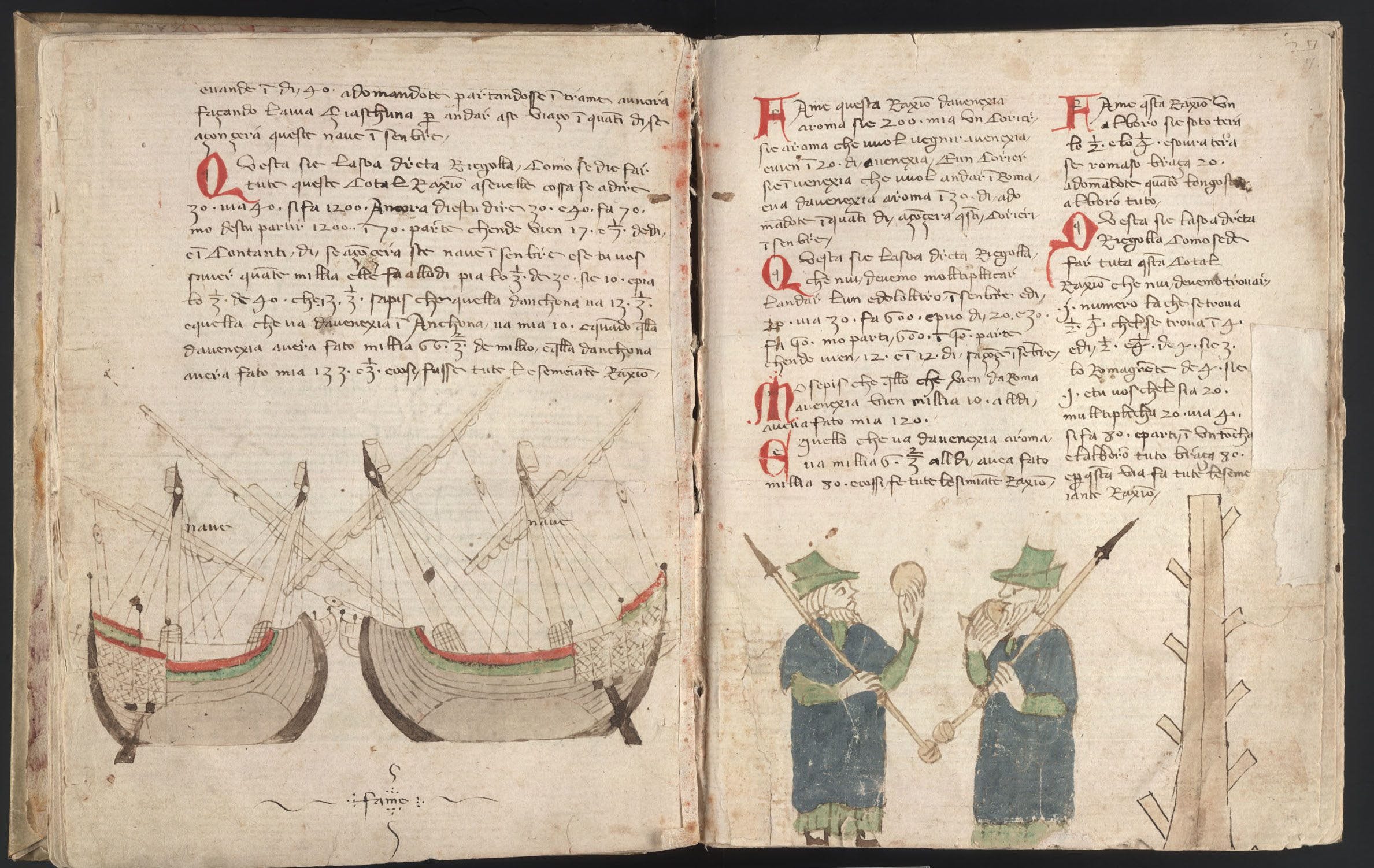
I am in the process of reading Roland Allen’s book, “The Notebook — A History of Thinking on Paper” for the second time (yes, it is that good!). It’s just over a year since I read it the first time, and as soon as I completed it, I knew that I would read it again to spend more time appreciating the value of notebooks in both past and current lives.
There is much to tell, but I will leave you to read the book for yourself. However, what comes from the book is the value of writing down our thoughts and other information in a notebook, even in this digital age. Somehow, I doubt that people like Leonardo da Vinci would have been so successful or well-known today had he been able to use digital notes instead of paper.
A word that stood out to me in Roland’s book (there is another Roland) is zibaldone. In the 14th century, paper was becoming more available and affordable, and the Florentines started to record business transactions on paper along with the start of double-entry bookkeeping. The business owners expanded this to include other records, and soon personal notebooks came into use.
The zibaldone was born. This notebook in Italian means a ‘heap of things’ or ‘hodgepodge’. The plural for zibaldone is zibladoni to avoid any confusion. Many people started to write in their own zibaldone. They would keep personal financial records, write down quotations from books, recipes, use it like a diary, draw pictures, write down ideas, and much more. In other words, a ‘heap of things’, quite chaotic, not organised, and adding anything they chose to until the book was filled.
Today, we might be tempted to call a zibladone a commonplace notebook. Whilst that might seem logical, be wary of the ire of those who disagree. A commonplace book, as we know them, tends to be more organised and kept for more specific things, even though the subjects might be quite wide in topic. Commonplace books tend to be indexed to make finding the information more easily when required.
The use of zibaldone, and there are many ancient survivors to see today, shows the value of recording things in a notebook. The fact that today we can read the writings and drawings of people who died centuries ago is amazing. In that, I include Leonardo da Vinci, who left behind an amazing collection of notebooks that others benefited from, and even now we can do so.
I highly recommend reading Roland Allen’s book and learning the fascinating history of notebooks. We can all learn from those writers who kept a zibaldone and get back to writing on paper and recording our thoughts in notebooks.
Thank you for reading this story. If you haven’t subscribed yet, please use the subscribe button below. It’s always free to read all of my stories, with a paid option for anyone who wishes to help support what I do. Or you can use this Buy Me a Coffee link. Please feel free to leave a comment.
I just finished The Notebook. I bought the paperback, but also ordered it on audible because his voice provides such a soothing, and sometimes humorous narrative. It was a fascinating read.
Your posts are always really interesting, I’ve now added the notebook to my growing list of books to be purchased.