

It’s amazing what we can find when we look at old maps. Much to my surprise, a map from 1886 showed that within a few hundred metres of my home, in Trowbridge, Wilthsire, there was once a brick and tile works. The clay for the bricks was also excavated here from the hillside. Years ago, many brickworks were small in size and the bricks manufactured for local use. Towns were growing during the great industrial age as it moved into Victorian times. The site is now covered with houses, built around the mid-1970s, and so the question for me is: Is there any trace of the former use of this site?
Where was the Cockhill Brick and Tile Works, Trowbridge?
The land in question runs next to a road called Cockhill, named after the area it passed through, and the site is now occupied by Cloford Close. Before we take a look to see what we can find, here is a brief history of the brickworks.
The 1841 Census lists a resident on the site as a brickmaker, and Kelly’s trade guide in 1844 lists a brickmaking business here. Therefore, it’s very likely that there had been bricks made on this site for at least some years prior to 1841.
In 1855 and 1859, a Post Office directory lists Walter Newth as a brickmaker, and in 1875, his son, Arthur Newth, is now listed as a brickmaker.
When 1889 comes around, the business was run by White, Nimrod and Sons, which might well have been the last of the brickmakers. This was likely as in 1901 the site was sold by its owner, along with some other property in Trowbridge. The land was part of Earl Manvers’ estate whose ancestral home was Thorseby Hall in Nottinghamshire. Coincidentally, my mum worked for his descendants at Thorseby Hall in the 1940s. The third Earl died in 1900, so there could well have been issues over raising funds to pay death duties requiring land to be sold.
The sale particulars in 1901 listed that the site had a three-bedroom cottage divided into two dwellings, a brick kiln, and a brick drying shed. The cottage in that year was occupied by a local builder, Mr E Lindzay. He was instructed to fill in and level the ground where the more recently dug clay had been extracted.
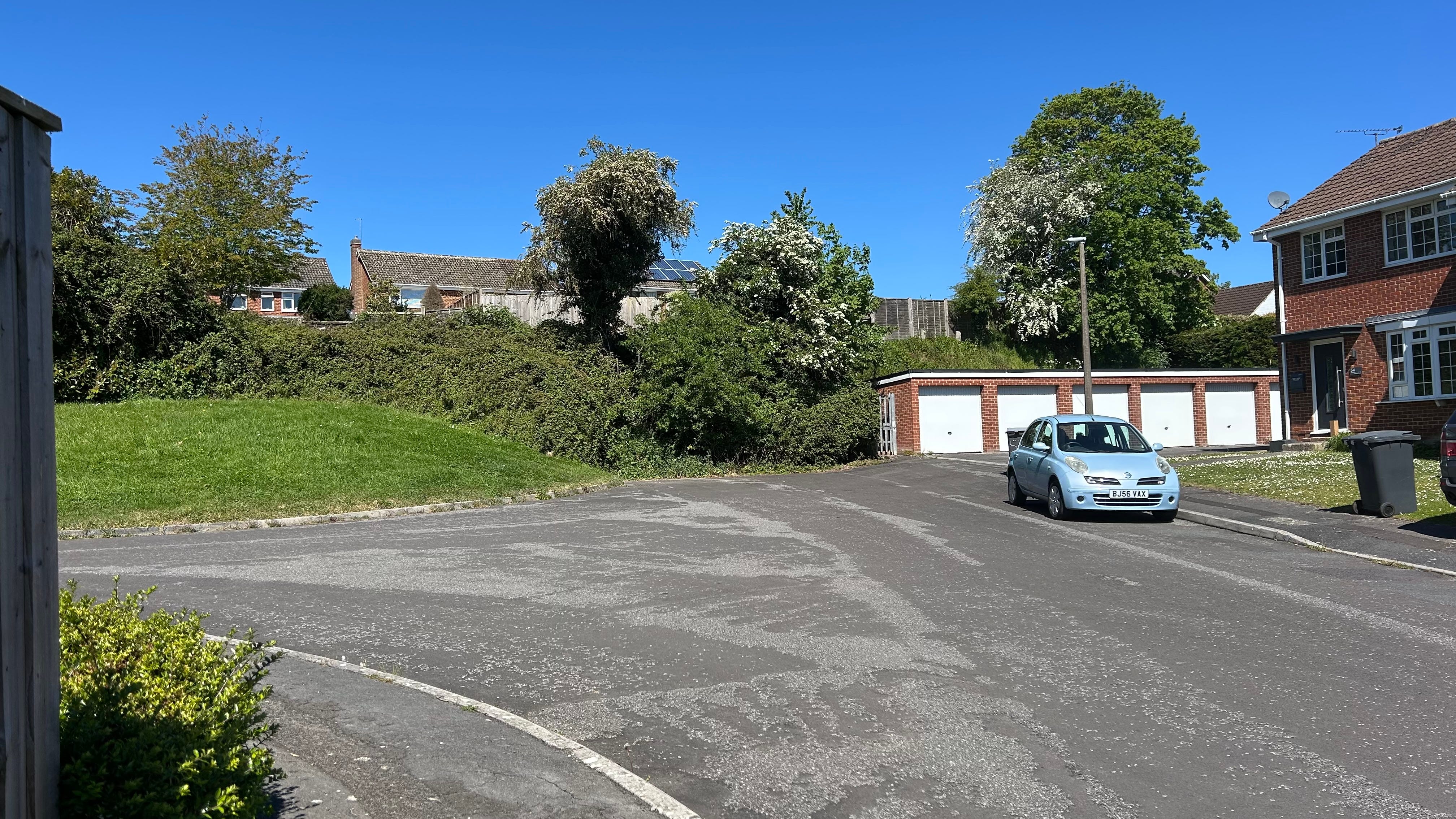
Let’s get back to looking for evidence of the clay extraction and brickmaking. The kiln and shed have long gone, but there is geological evidence of extraction. When entering Cloford Close from Broadmead, it’s noticeable that although on a hillside, this area falls away below the level of Broadmead and Cockhill.
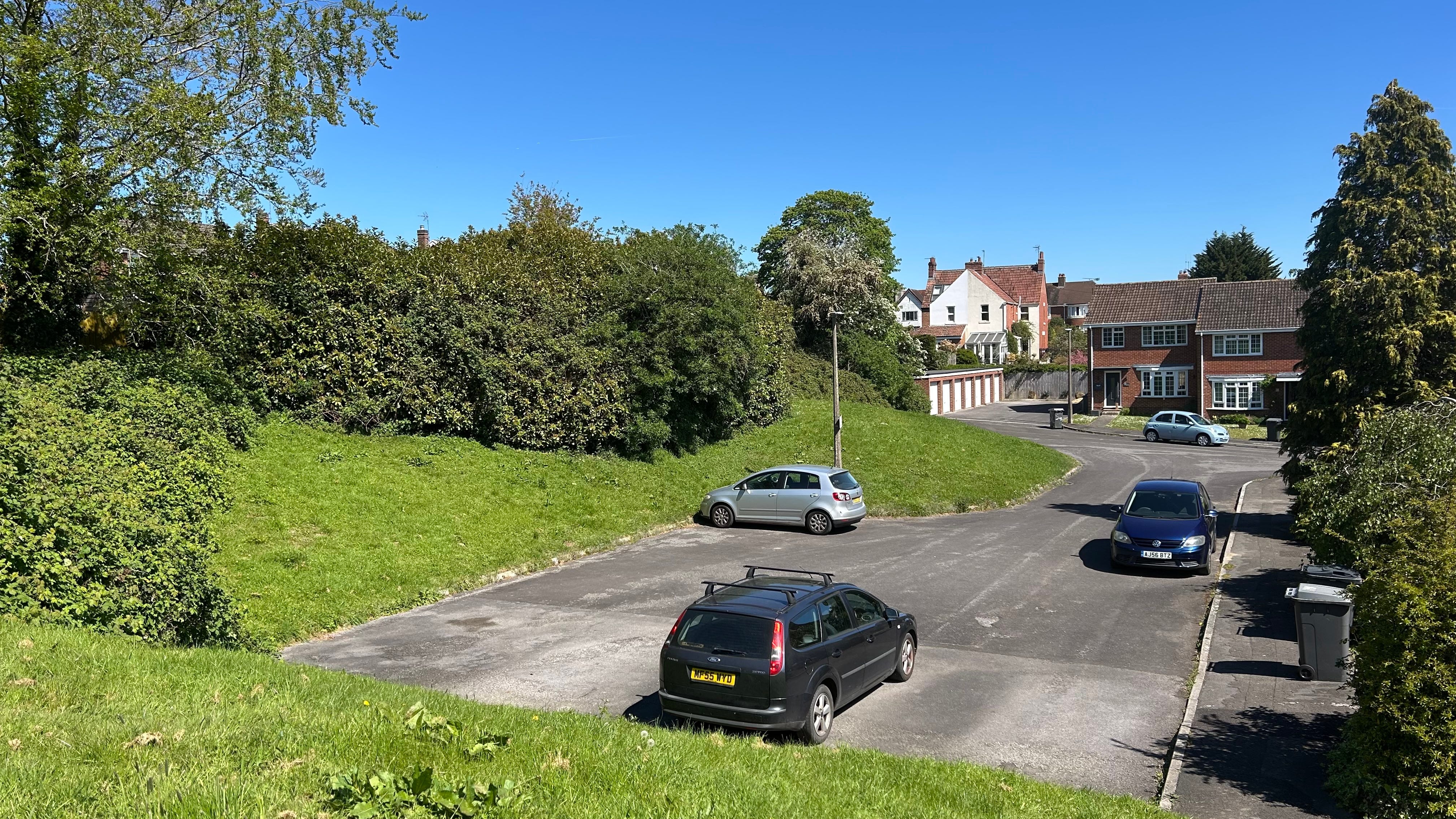
Turning left after entering the Close and walking a hundred metres or so, a bank of earth comes into view. The hillside has been cut into, and anyone not knowing the history of this site will probably never question why. Climbing the steps that shoutcut back towards Broadmead, I can look back at the old clay pit and see the noticeable drop in the level that the land would have originally been. You can see this in the photograph below. Although it’s often difficult to judge heights in photographs, it is a significant drop and would have produced plenty of bricks.
Mr Lindzay and probably the builders of more recent times must have done a good job in filling in, as I have not heard of any problems with subsidence.
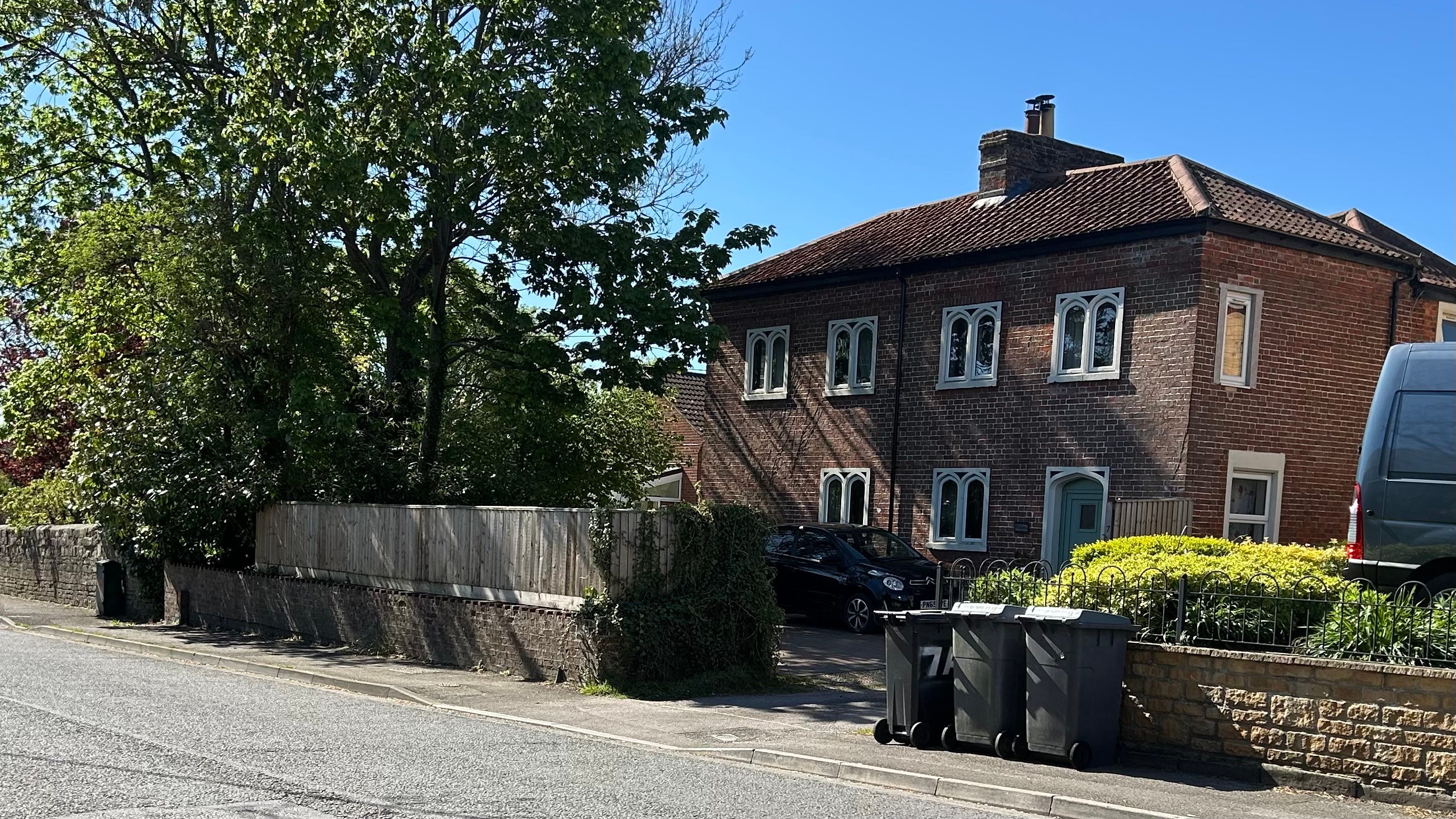
What about Ivy Cottages? They were derelict for many years and have been renovated fairly recently and now occupied. The property, now back to a single dwelling, looks very much like it did when it was part of the brickworks; the modern replacement windows have been made to the same shape as the original wooden ones. I wonder if those bricks were made on this site?
I like to discover stories like this, especially when they are on my own doorstep. If you know of anything similar, perhaps where you live, please let me know in the comments.