


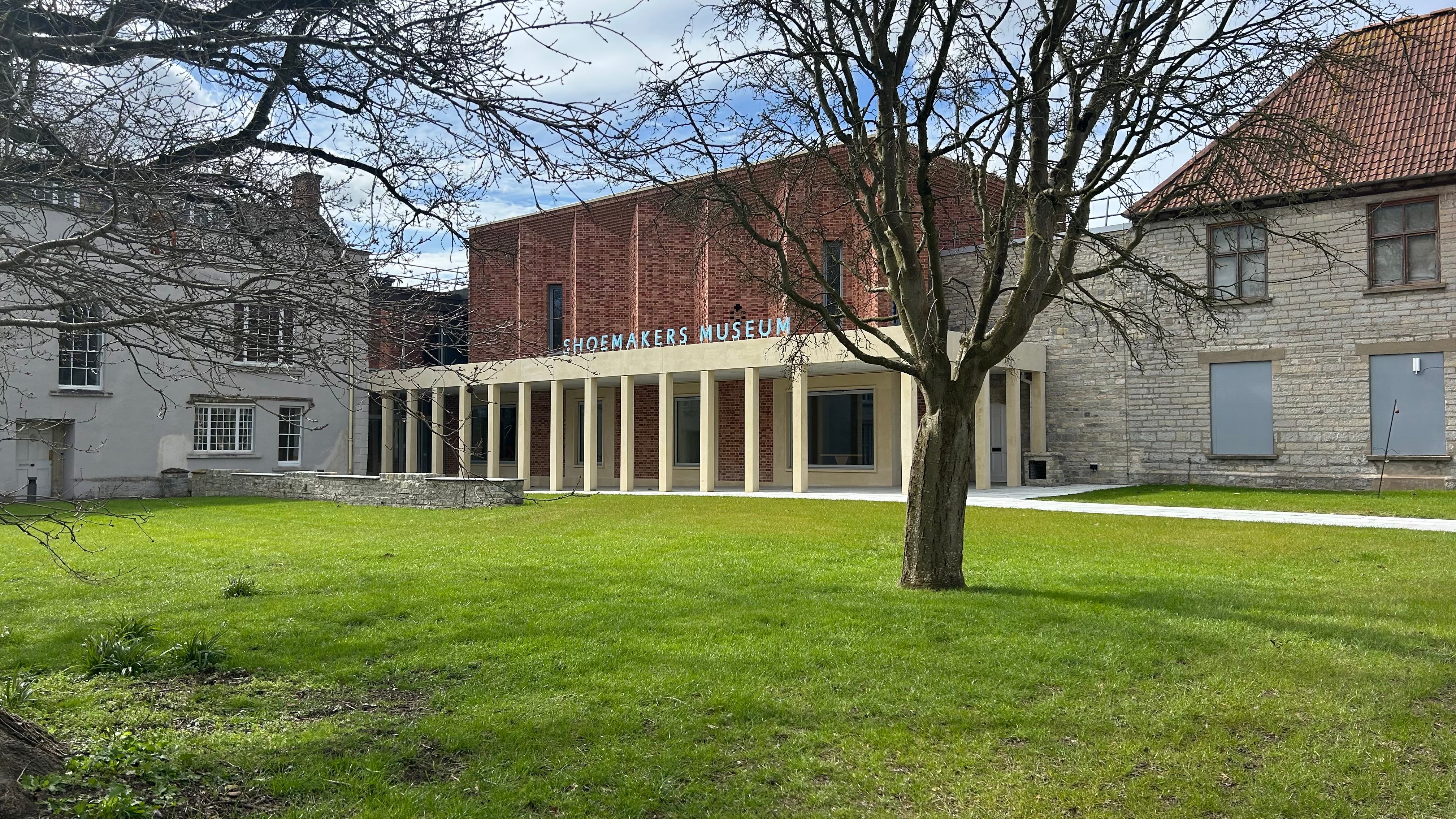
My Visit to Shoemakers Museum
This week I took a trip to Clarks Village, a retail outlet in the village of Street, Somerset. Since my last visit, they have opened Shoemakers Museum, and it was too good an opportunity to miss.
Opened last year (2025), it has taken two years to complete. The museum is alongside the entrance to the Clarks Village when you enter from the main car parks.
Having visited the shops and had lunch at The Cornish Bakery, Mrs M and I decided we had time to visit the museum. We are delighted that we did. The museum is well laid out and tells the story of Clarks from 1825.
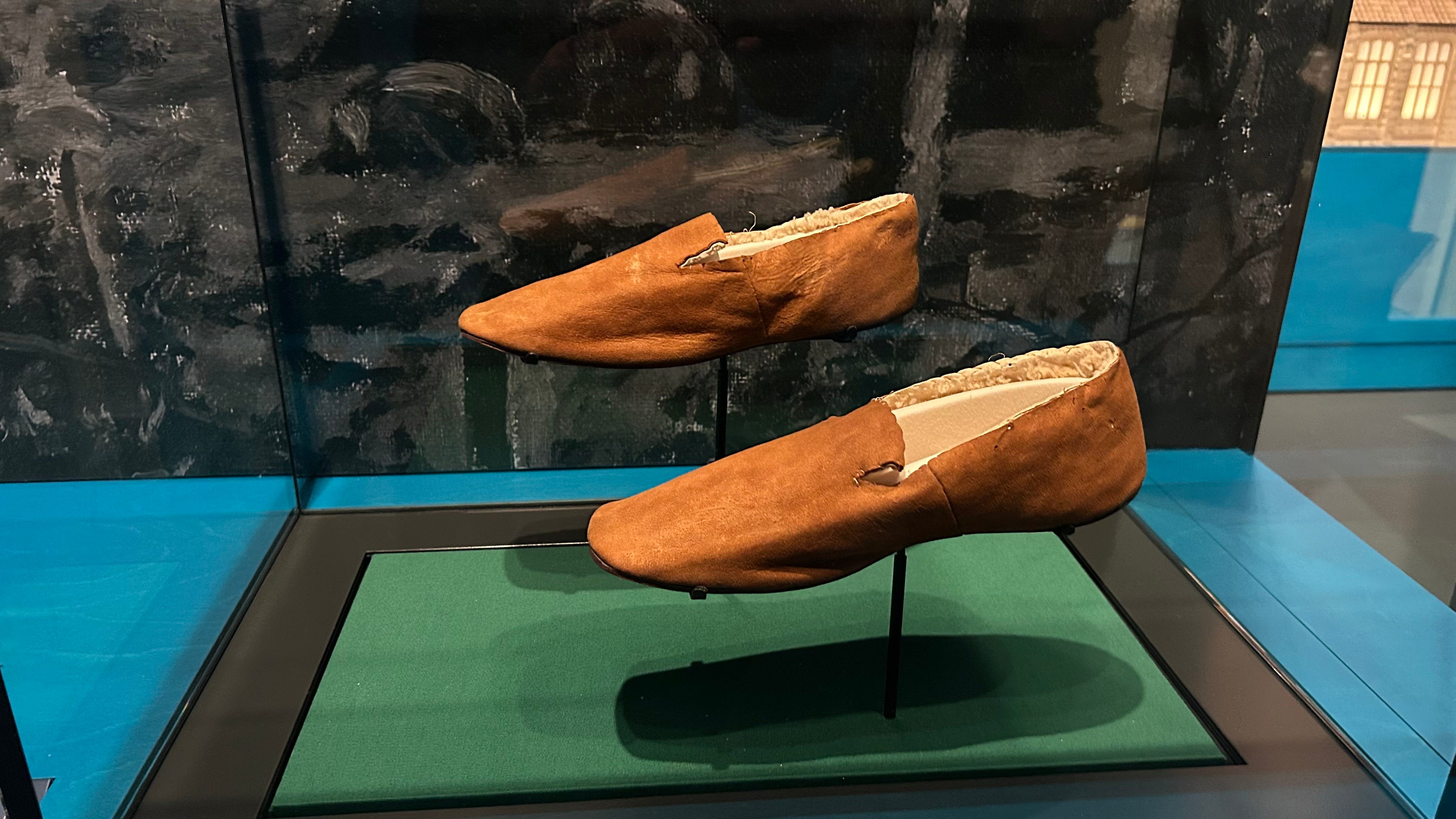
Cyrus and James Clark started out as producers of sheepskin rugs. This area of Somerset is still well known for sheepskin products, although in recent years the number of producers has greatly decreased. The Clarks had an idea to use the offcuts from their sheepskin rugs to create footwear. In 1842, the first Clarks shoes were called Brown Petersburghs and were sheepskin slippers. They became popular, and the company soon reached sales of a thousand pairs per month.
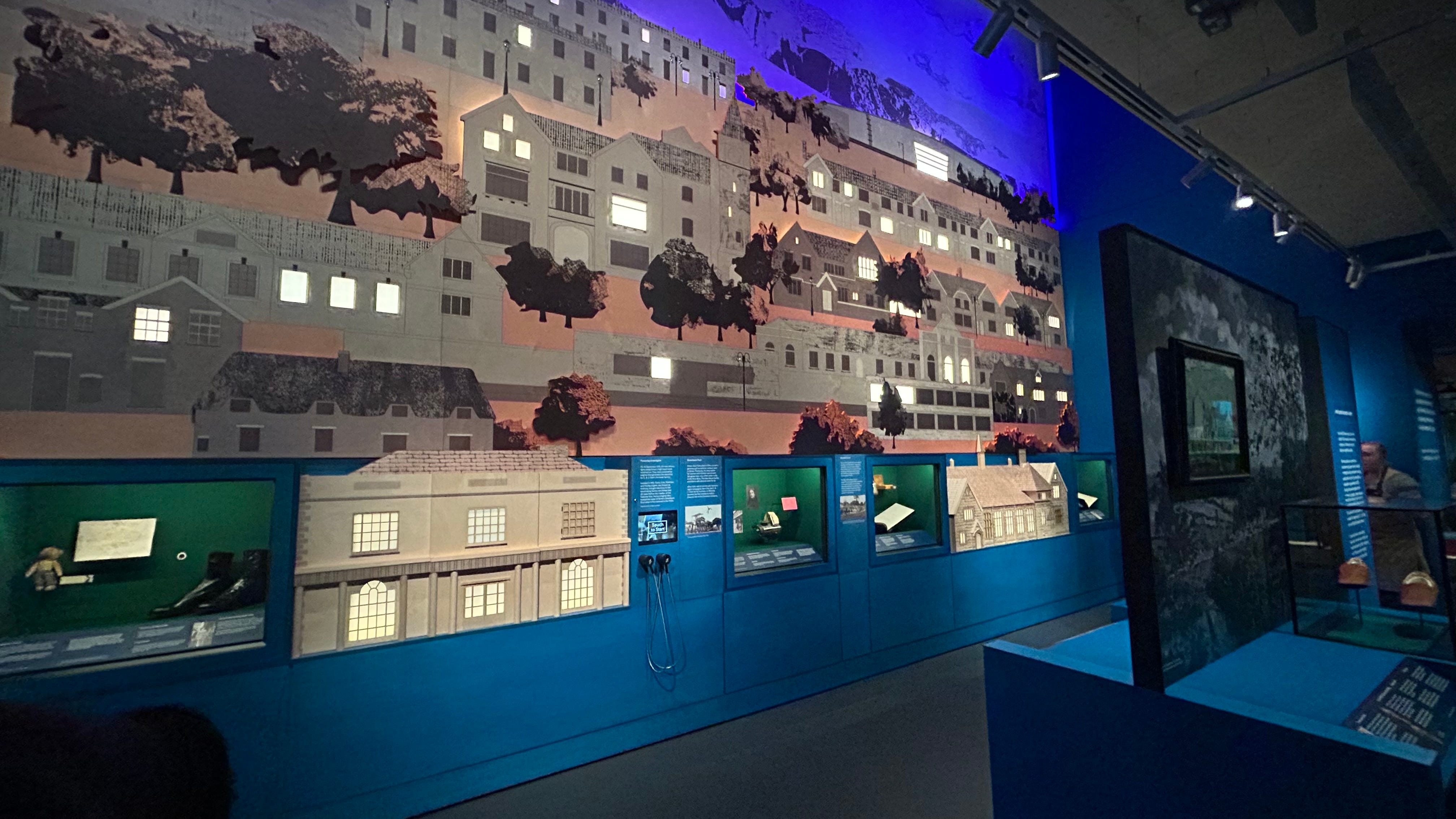
The museum is laid out over two levels, and there is also a cafe and a fossil museum. The story boards and videos give you time to digest the story and see how Clarks grew to become a worldwide success. Shoes in Street and eventually a few nearby towns were exported far and wide.
When you enter the reception there is a small shop where you can start or end your tour, we chose the latter option. We worked our way around the museum in chronological order to learn how this Quaker family grew their business to the size that it became. I will give you details of the cost at the end of this story.
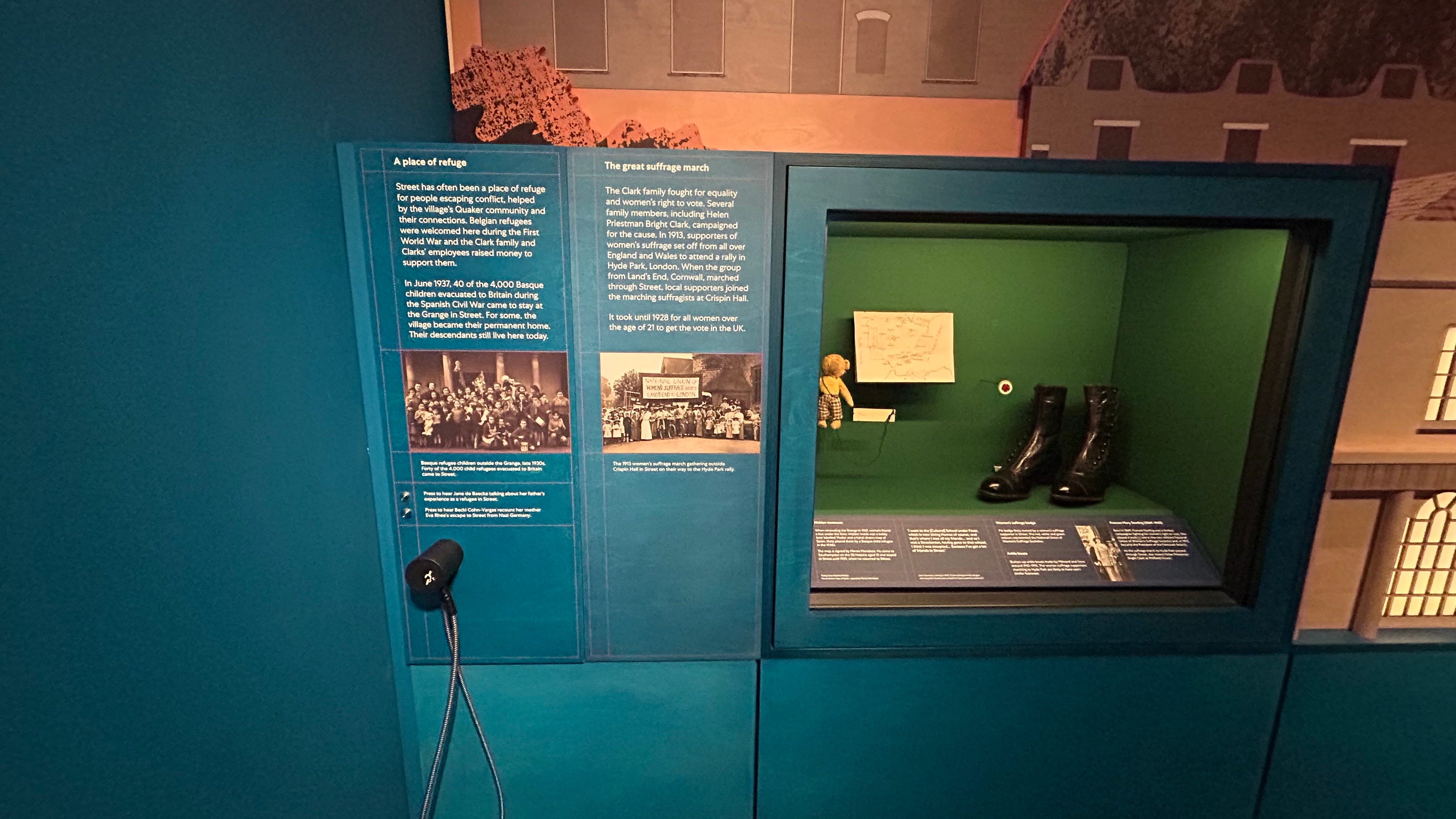
The above photo shows how Clarks have had a social conscience and have people in their time of need. Click on the photo to enlarge it.
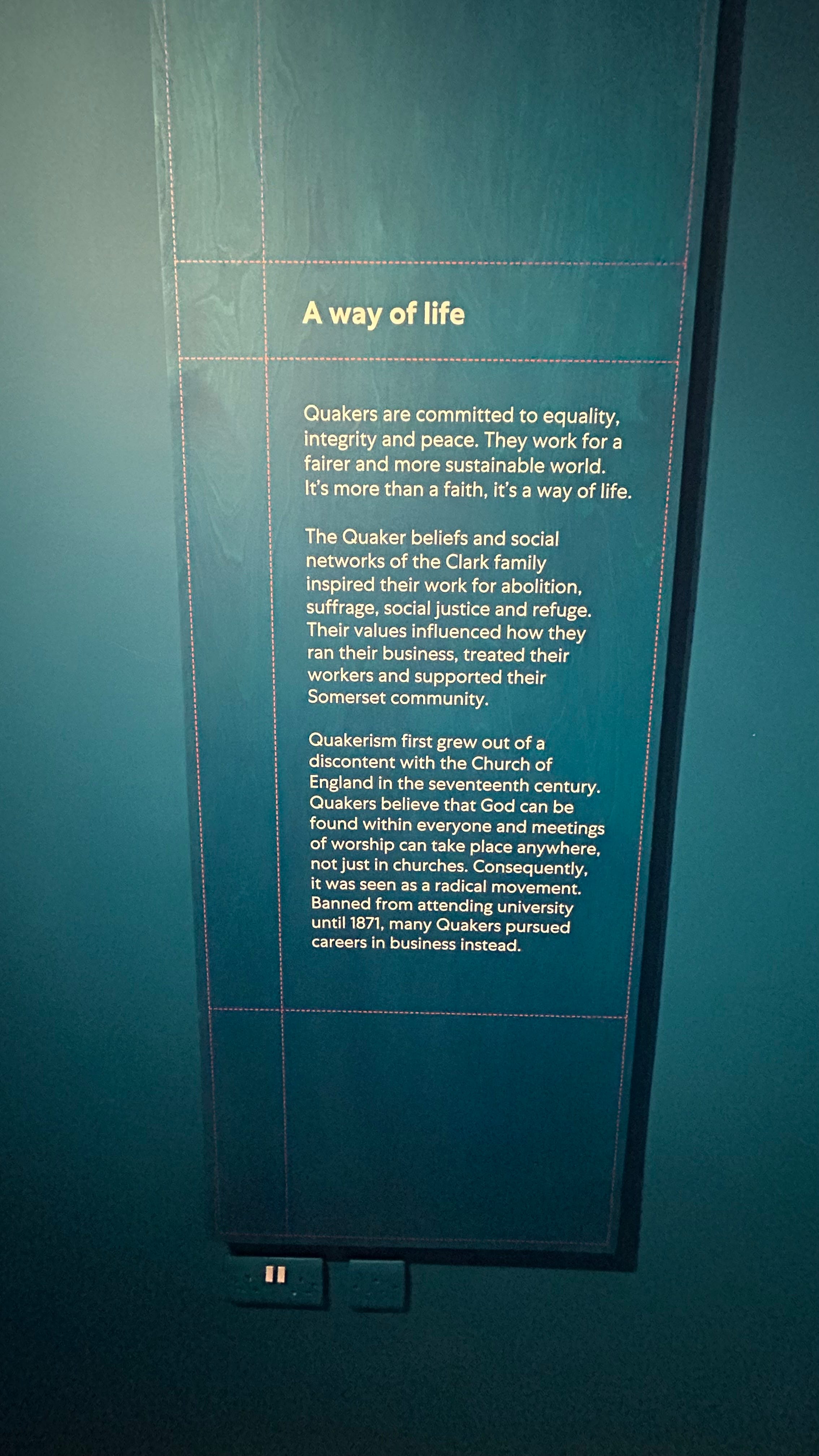
It’s interesting that Quakers were banned from attending university until 1871. It shows that you don’t need to go to university to be successful. Many of the large and well known businesses have been started by Quakers during this time period, perhaps none of which would have been had the owners attended university. Maybe, there’s a lesson to be learned today.
Clarks were very keen on education and young apprentices, who were after all in today’s terms school-age children were sent to school. Two children would be employed for one job. They would take it in turns, one to be at school while the other was at the factory.
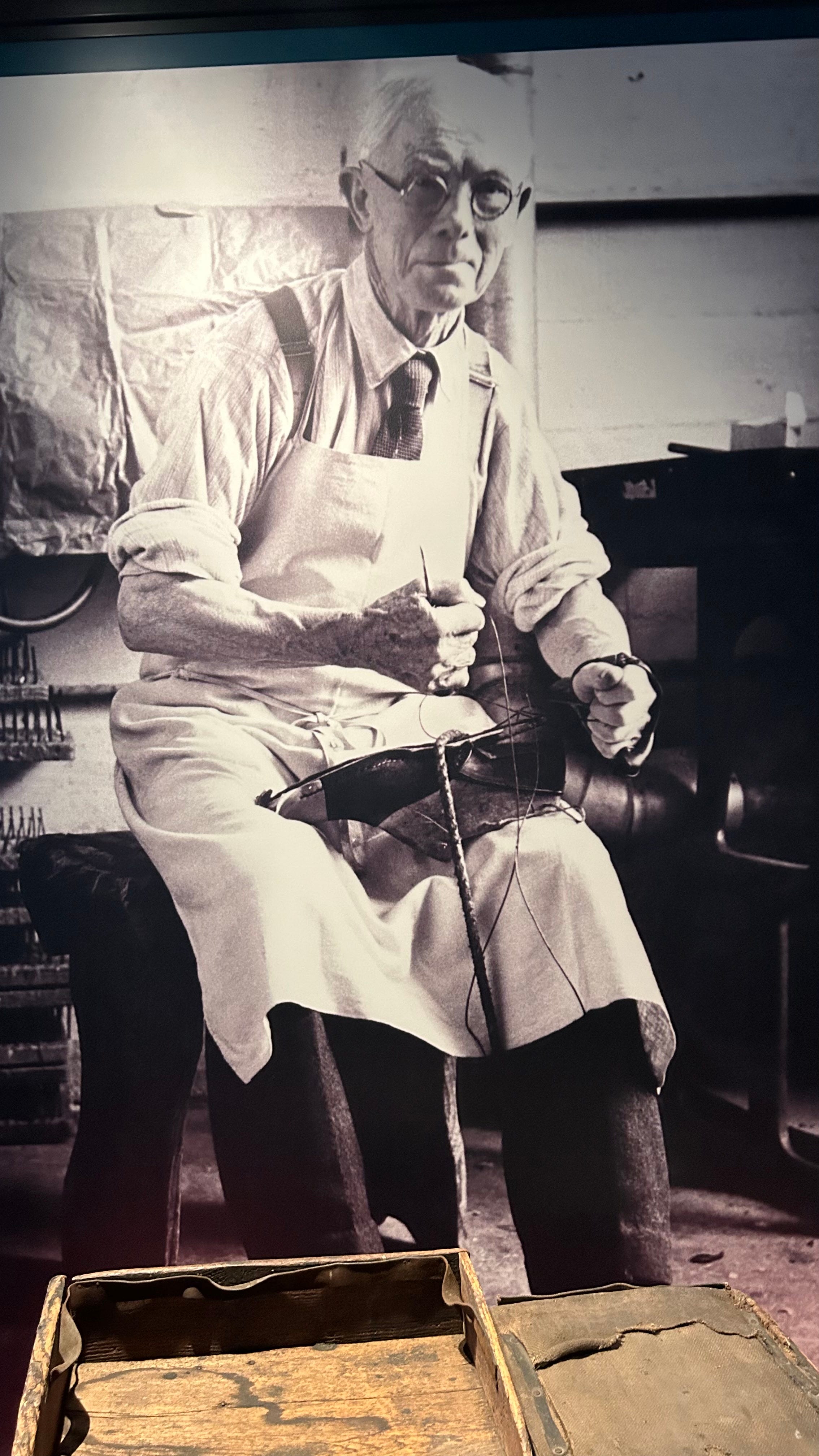
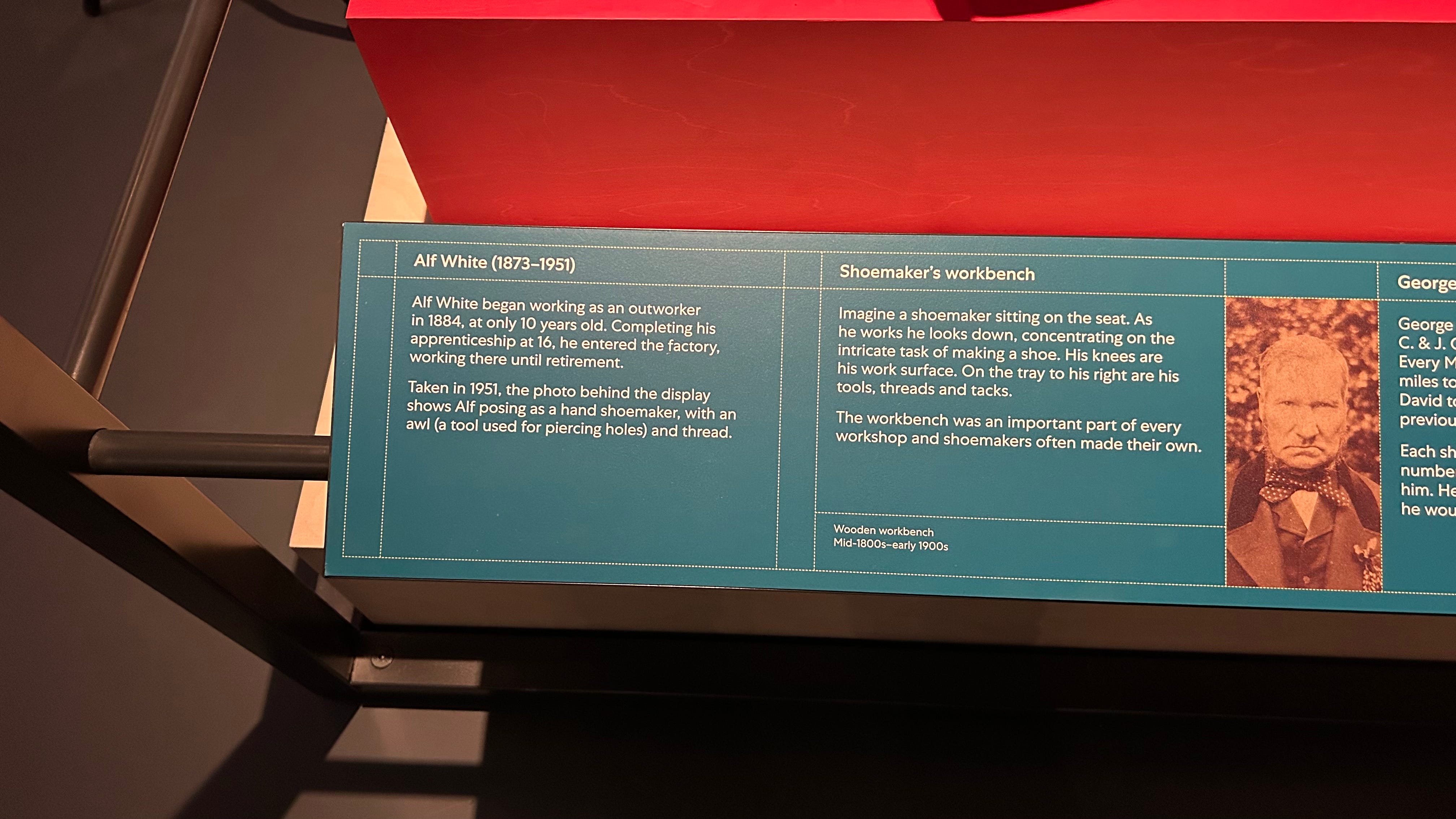
There are stories about some who worked in the factory. Below is Alf White, born in 1873, who started work for Clarks at just age 10 as an outworker. The board tells us that he completed his apprenticeship at age 16 and worked for Clarks until he retired. Not too many people these days work for one company all of their working life.
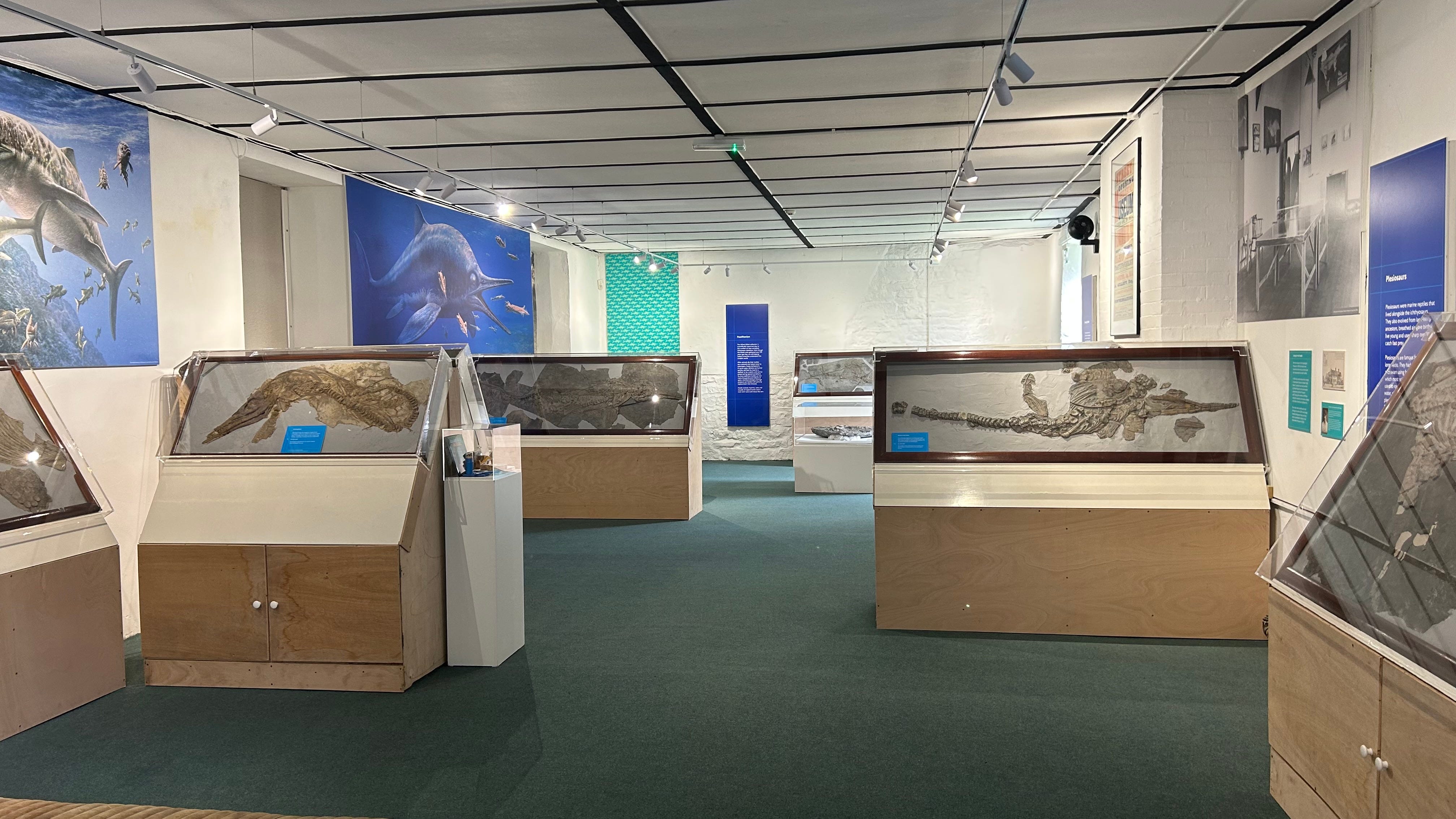
After looking at the story and artefacts on the lower floor we head into the fossil museum. Alfred Gillett was a cousin of the founders of Clarks. Born in 1814, Alfred loved to collect and research fossils. Street is famous for fossils and Alfred built up a large collection. He also collected Clarks objects and the Alfred Gillett trust manages over 100,000 objects in their collection.
For those with children there are many features designed for them to explore and enjoy. That is true inside the fossil museum too. When en route to the fossils it seems that you have to pass through the toilets! The toilets are off the hallway but with doors open it looks like you’re actually in them before you go through the door to the fossil collection.
We now make our way up to the next level using the lift in the main museum where we started our tour.
Up here is a reminder of what Clarks was like in more recent years. An area is set aside as a shop and children can dress up with the clothes provided to becomes sales assistants. It will great fun to measure their parents or siblings feet using the well recognised Clarks foot measure. The cash register in the far corner also works! Ting!
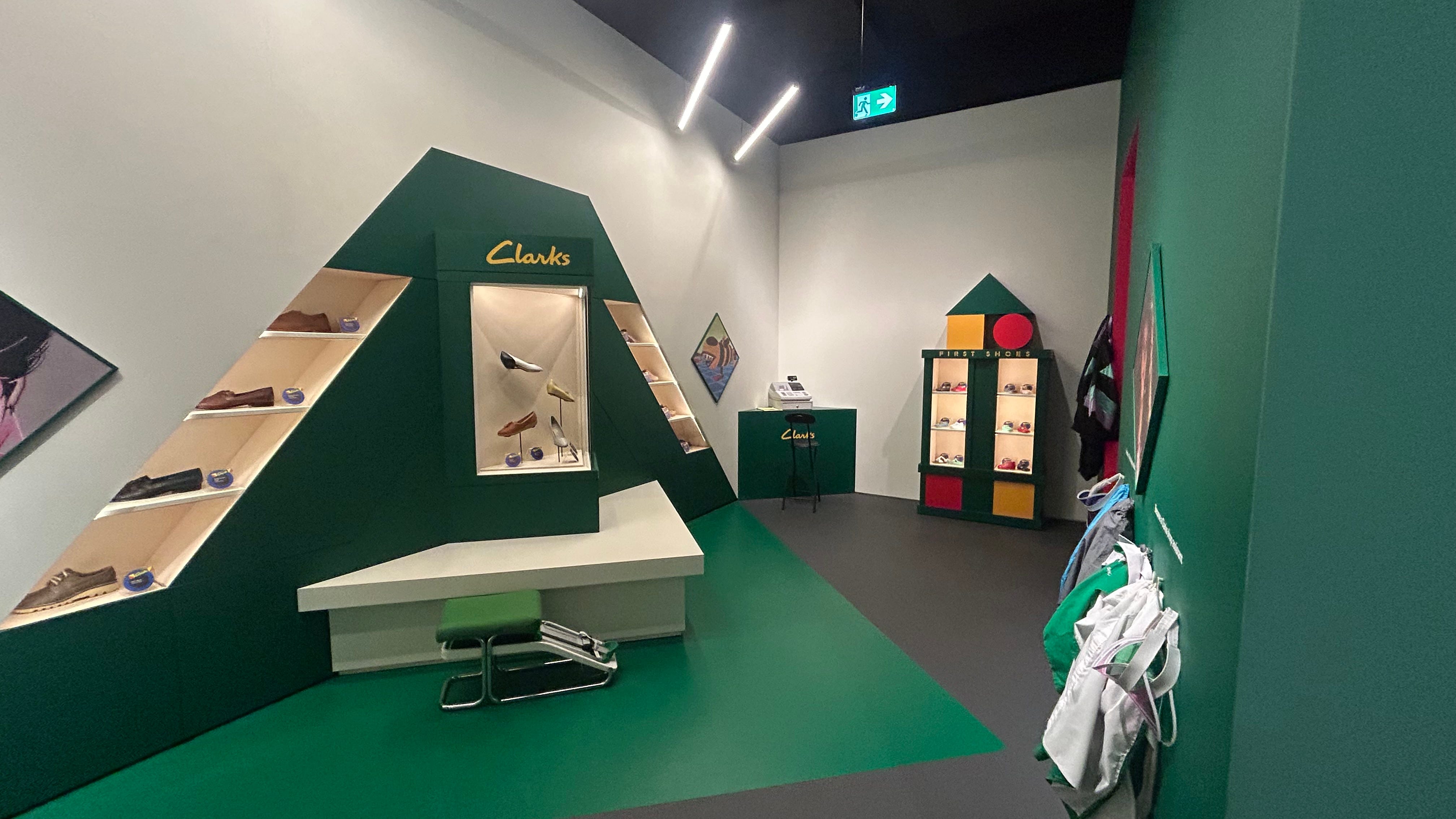
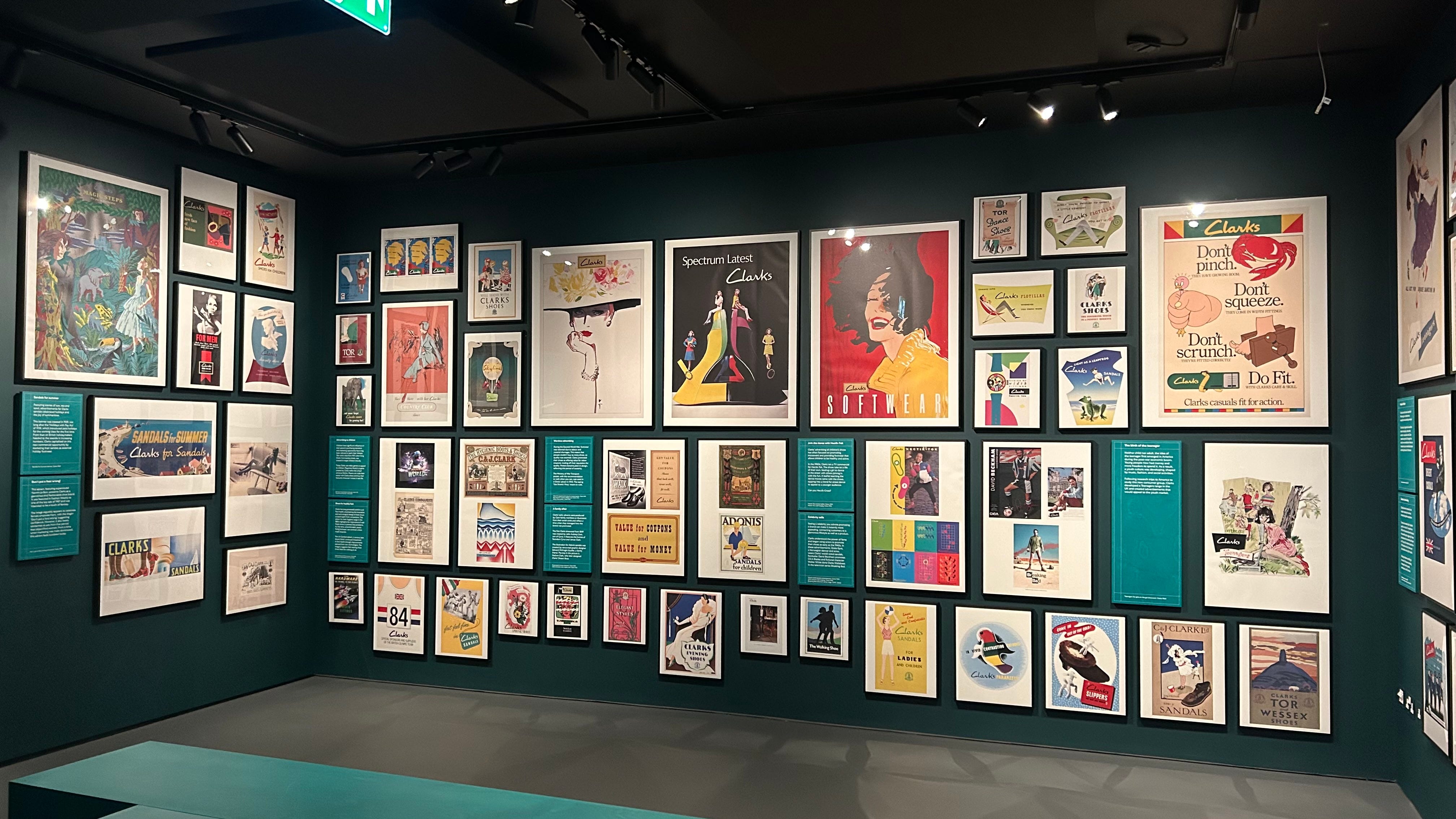
You will find many of the old advertisements in picture and video format. Maybe you are old enough to remember some of them. A bank of shoes is also on one wall where you can check to see if you wore any of those shoes in the past.
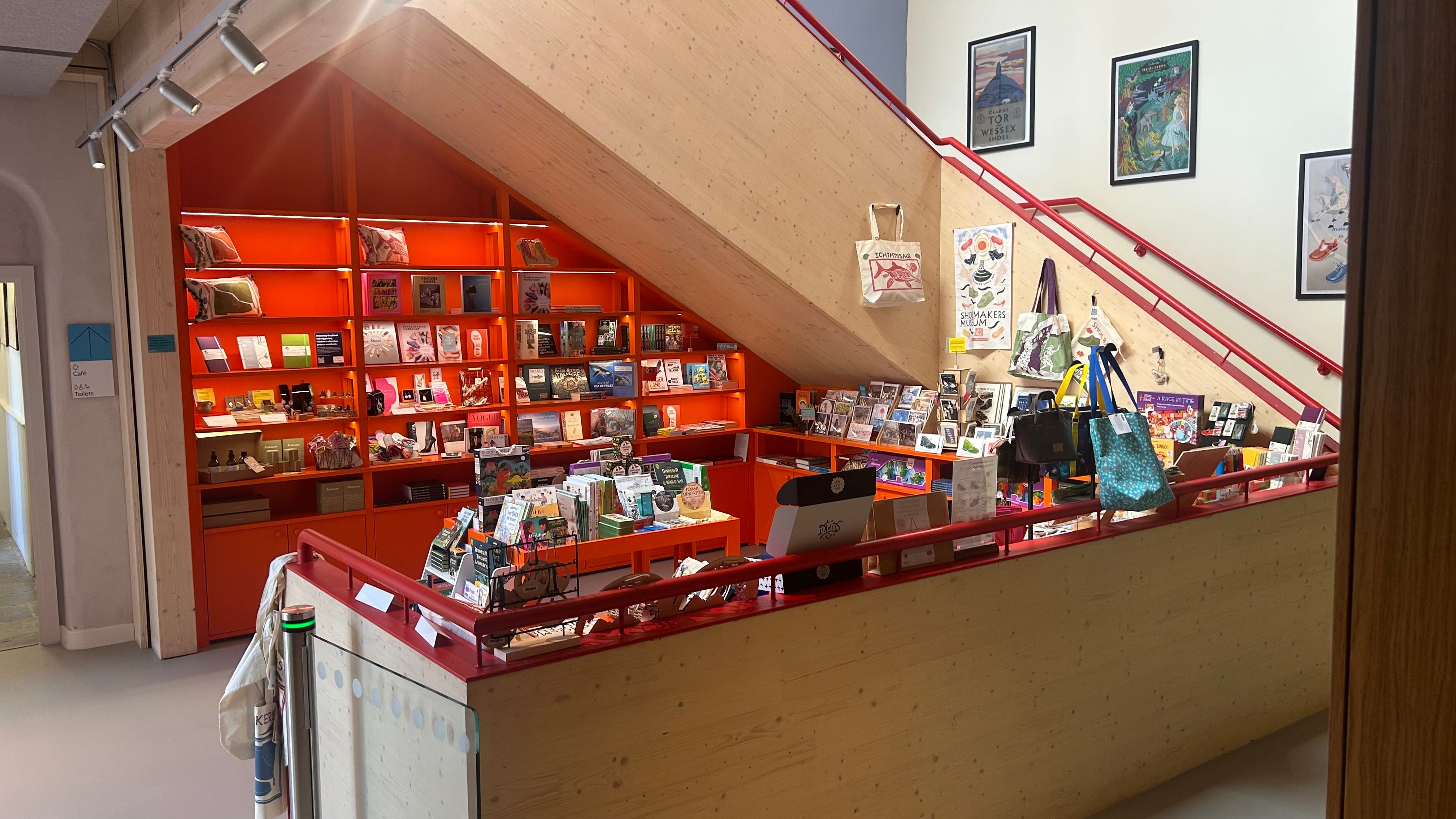
We completed our tour and had a look around the shop, which has a selection of gifts and books to purchase as a memento of your visit.
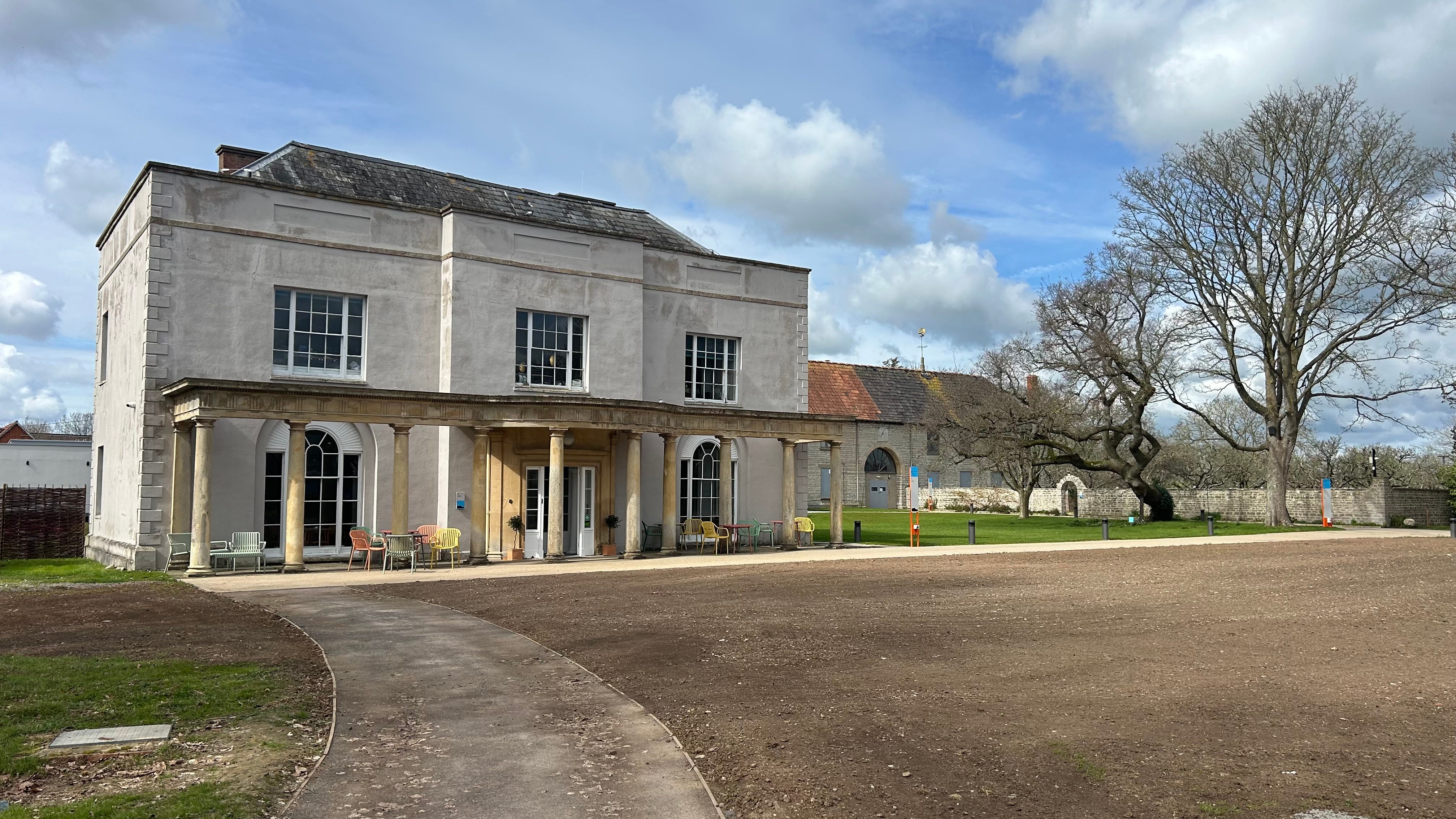
There is a cafe for visitors to enjoy, but having eaten not belong we started our tour we didn’t take advantage this time.
How much does it cost to visit Shoemakers Museum?
The cost for an adult is £12, although if you book online at least 24 hours ahead it reduces to £10. The ticket is treated as an annual pass and on two visits you can ask for a free car parking ticket from reception. Under fives and essential carers are free, and children from £5 online with a discount for a family pass. For details click this link for Shoemakers Museum Booking Page.
Here too is the link for more information on the main website.
If you have any interest in shoes, industrial or social history, plus fossils then I can recommend a visit to Shoemakers Museum.
Thank you for reading this story. If you haven’t subscribed yet, please use the subscribe button below. It’s always free to read all of my stories, with a paid option for anyone who wishes to help support what I do. Or you can use this Buy Me a Coffee link. Please feel free to leave a comment.

There’s something powerful about seeing how simple ideas, when paired with purpose, can grow into something lasting.
Such interesting history! Now I know the story behind the several pairs of Clarks Shoes I own--mostly sandals. They're the best! Thank you, Roland.