


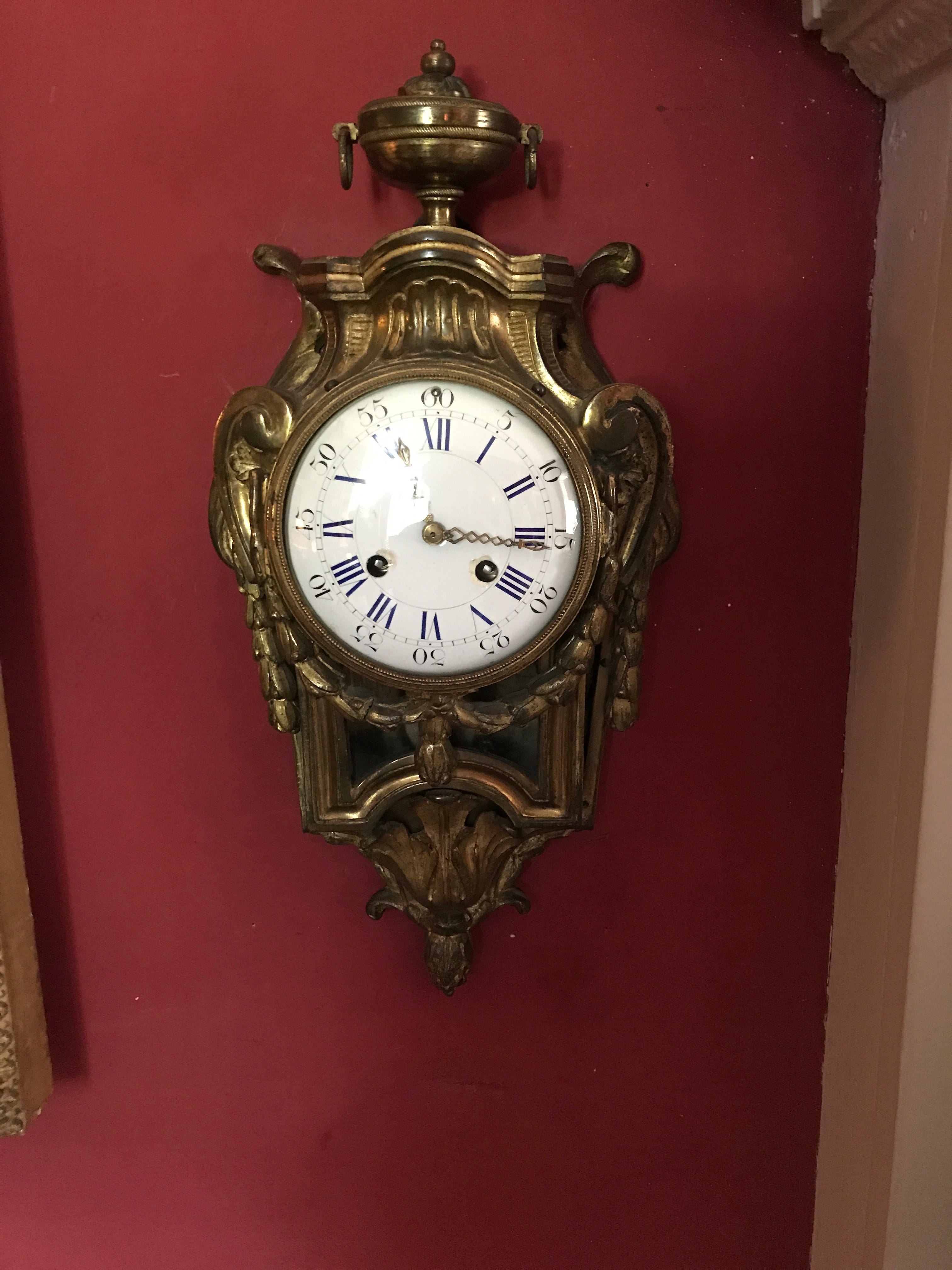
Spring Forward - Fall Back
It’s that time of the year. The last Sunday in October when here in the UK we change our clocks. They go back one hour from British Summer Time (BST) to Greenwich Meantime (GMT). Offically, the clocks change at 2am, so for most of us we need to remember to change those clocks and watches that don’t automatically correct themselves, before we go to bed.
There are some products that can be particulary troublesome which require a combination of buttons pressed and are not always user friendly. Things like cookers and car audio systems can be very fiddly. The list of things with clocks built in can be long and in addtion to what I have mentioned already we can add radios, central heating boilers, DVD players and anything not connected to the Internet with a clock.
When did changing the clocks start?
Changing the clocks started in the UK in 1916 during World War 1. It was done during the summertime to save energy so people had longer daylight in the evenings. The Summer Time Act 1916 advanced clocks by one hour from 21st May to 1st October.
I remember my dad telling me about double summer time during World War 2 when the clocks were advanced two hours between 1940 to 1945 to give more daylight hours in whcih to work. People, it would seem, would rather work later in the evening than get up very early in the morning to take advantage of the light.
From 1968 to 1971, and I vaguely remember this as a young teenager, the government carried out an experiment by keeping the clocks advanced by one hour all year. It is referred to as the British Summer Time Experiment. It was abandoned due to concerns that in the north of the UK it would be very dark in the morning when children were going to school. Also, it would appear that adults going to work are not at their best first thing in morning darkness. The length of daylight in the winter is much shorter the farther north of the UK you go. Conversely, there is more light in the summer.
In 1998 the current system of the clocks going forward one hour on the last Sunday in March and back again on the last Sunday in October was established with the European Union (EU). This was to harmonise the times across member states so that everyone was changing their clocks on the same weekends. Although the UK has left the EU the system has been maintained, but there is constant chatter about changing it.
So, tonight, before going to bed, I will be changing the clocks and no doubt will miss changing one or more devices. If you are reading this before the change – enjoy your extra hour of sleep!~
